It's New Year and I'm feeling a little lazy, so I decided to investigate the most viewed posts on my blog.
The results left me speechless!
Who'd have believed that the number one most popular post is about....ahem....well you'll have to scroll down to find out. Needless to say, I have NO idea why this niche topic has proved so constitantly popular with over 32,000 hits!
Anyhow, here is a run down of the most viewed posts on my blog.
Enjoy! (PS - Click on the links to read the actual post.)
Number 10
"Kensington Palace - At Home With the King."
http://historynromance.blogspot.co.uk/2012/09/kensington-palace-at-home-with-king.html
A personal take on a royal palace.
Number 9
"The Canary Isles - Going To The Dogs."
http://historynromance.blogspot.co.uk/2011/08/canary-isles-going-to-dogs.html
It turns out the 'canary' part of the Canary Isles - isn't really to do with birds at all!
Number 8
"Dog and Cat Diaries"
http://historynromance.blogspot.co.uk/2010/12/dog-and-cat-diaries-new-year-treat.html

The secret diary of a dog and cat - beautifully highlighting the difference between the species.
Number 7
"Cats and The Possessed"
http://historynromance.blogspot.co.uk/2010/10/cats-and-possessed.html

Proof that cats are agents of paranormal forces.
Number 6
"How Many Wives Did Henry VIII Have?"
http://historynromance.blogspot.co.uk/2011/05/how-many-wives-had-henry-viii.html
You may think the answer is obvious, but this post is a bit of a tease.
Number 5
"Bizarre Tudor Deaths."
http://historynromance.blogspot.co.uk/2011/07/bizarre-tudor-deaths.html

The title says it all: Strange ways people met their demise, in Tudor times.
Number 4
"Miraculously Improbable - The Crystal Palace."
http://historynromance.blogspot.co.uk/2011/06/miraculously-improbable-crystal-palace.html
What links Crystal Palace and Christmas cards? Read this post to find the answer.
Number 3
"London Bridge Legends"
http://historynromance.blogspot.co.uk/2012/01/london-bridge-legends.html

A post inspired by my poor sense of direction.
Number 2
"Exit Napoleon Pursued by Rabbits."
http://historynromance.blogspot.co.uk/2011/05/exit-napoleon-pursued-by-rabbits.html

The true story of an Emperor's fear of small, fluffy bunnies...
Number 1
"Cats Eyes - Seeing is Believing" -
Would you credit it? The MOST viewed post ever on my blog, with over 32,000 hits since it was first posted!
http://historynromance.blogspot.co.uk/2011/11/cats-eyes-seeing-is-believing.html

A post about, ahem, cats eyes - those reflective studs in the road!
Truly, if you have any idea why this post should generate such sustained interest ( averages around 600 hits a week) then do please leave a comment and enlighten me - because I have no idea.
A very happy 2013 to you all!
If you have enjoyed this post and would like to recieve a bi-monthy news letter from Grace, then follow the link below to sign up.
The results left me speechless!
Who'd have believed that the number one most popular post is about....ahem....well you'll have to scroll down to find out. Needless to say, I have NO idea why this niche topic has proved so constitantly popular with over 32,000 hits!
Anyhow, here is a run down of the most viewed posts on my blog.
Enjoy! (PS - Click on the links to read the actual post.)
Number 10
"Kensington Palace - At Home With the King."
http://historynromance.blogspot.co.uk/2012/09/kensington-palace-at-home-with-king.html
 |
| Queen Victoria's statue with Kensington Palace in the background. |
Number 9
"The Canary Isles - Going To The Dogs."
http://historynromance.blogspot.co.uk/2011/08/canary-isles-going-to-dogs.html
 |
| Canary Dogs. |
Number 8
"Dog and Cat Diaries"
http://historynromance.blogspot.co.uk/2010/12/dog-and-cat-diaries-new-year-treat.html

The secret diary of a dog and cat - beautifully highlighting the difference between the species.
Number 7
"Cats and The Possessed"
http://historynromance.blogspot.co.uk/2010/10/cats-and-possessed.html

Proof that cats are agents of paranormal forces.
Number 6
"How Many Wives Did Henry VIII Have?"
http://historynromance.blogspot.co.uk/2011/05/how-many-wives-had-henry-viii.html
 |
| Holbein's portrait of Anne of Cleves. Henry's fourth wife....or was she? |
Number 5
"Bizarre Tudor Deaths."
http://historynromance.blogspot.co.uk/2011/07/bizarre-tudor-deaths.html
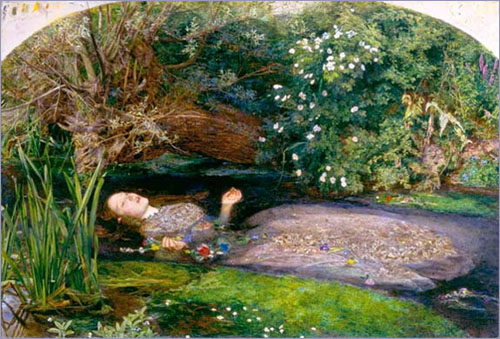
The title says it all: Strange ways people met their demise, in Tudor times.
Number 4
"Miraculously Improbable - The Crystal Palace."
http://historynromance.blogspot.co.uk/2011/06/miraculously-improbable-crystal-palace.html
 |
| The interior of Crystal Palace. |
What links Crystal Palace and Christmas cards? Read this post to find the answer.
Number 3
"London Bridge Legends"
http://historynromance.blogspot.co.uk/2012/01/london-bridge-legends.html

A post inspired by my poor sense of direction.
Number 2
"Exit Napoleon Pursued by Rabbits."
http://historynromance.blogspot.co.uk/2011/05/exit-napoleon-pursued-by-rabbits.html

The true story of an Emperor's fear of small, fluffy bunnies...
Number 1
"Cats Eyes - Seeing is Believing" -
Would you credit it? The MOST viewed post ever on my blog, with over 32,000 hits since it was first posted!
http://historynromance.blogspot.co.uk/2011/11/cats-eyes-seeing-is-believing.html

A post about, ahem, cats eyes - those reflective studs in the road!
Truly, if you have any idea why this post should generate such sustained interest ( averages around 600 hits a week) then do please leave a comment and enlighten me - because I have no idea.
A very happy 2013 to you all!
If you have enjoyed this post and would like to recieve a bi-monthy news letter from Grace, then follow the link below to sign up.


